Descarregue o catálogo de produtos
Por favor, introduza o seu endereço de e-mail verdadeiro e enviar-lhe-emos o catálogo eletrónico para a sua caixa de entrada em breve.
Embalagens cosméticas personalizadas para marcas de beleza — solicite hoje mesmo o seu orçamento.

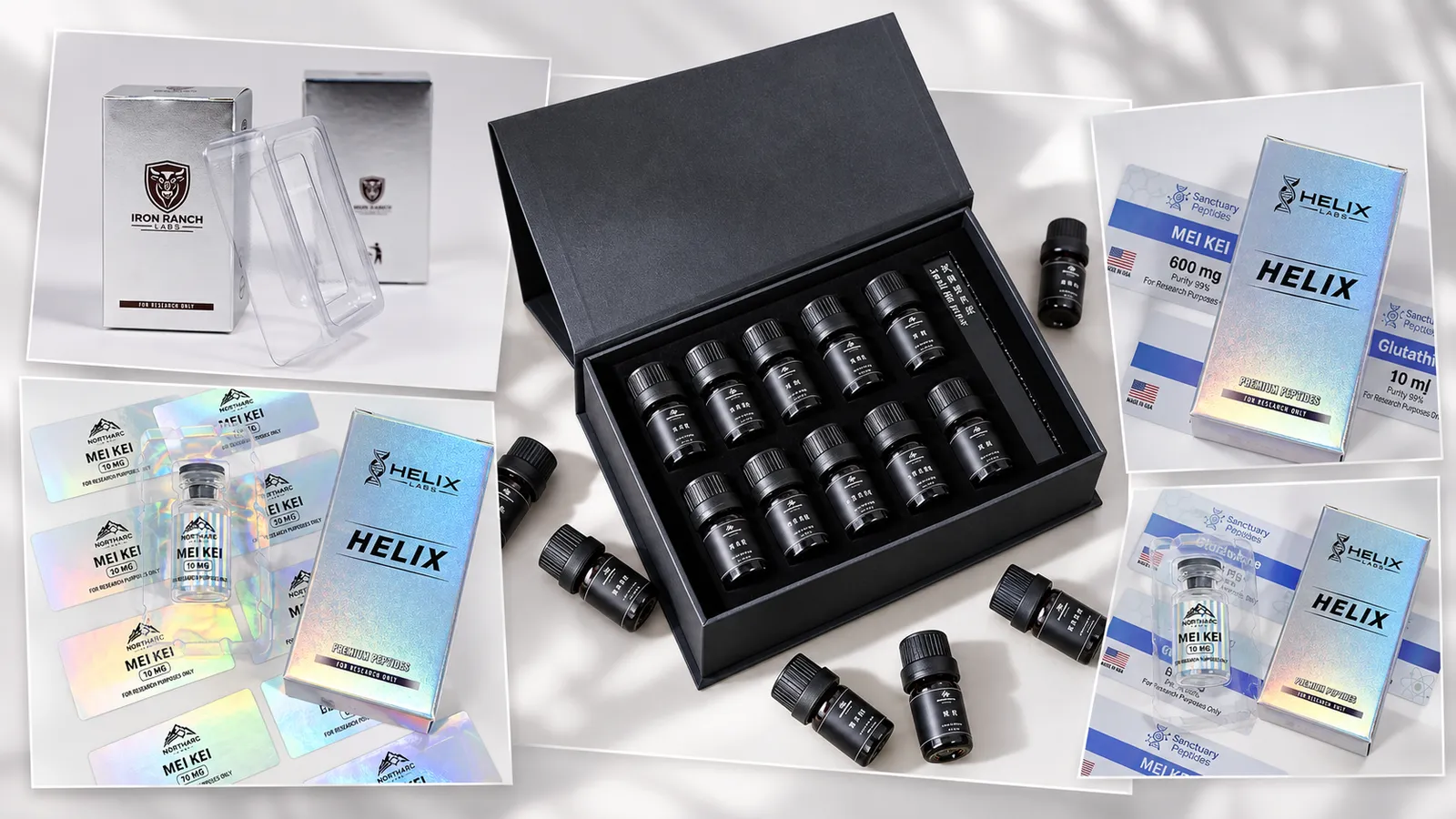
Custom packaging for beauty ampoules and small glass vials starts with the fully assembled container—not a standard bottle size. Small differences in body diameter, shoulder shape, cap, dropper, and label can change how securely a vial fits. A well-specified box and insert can limit movement and make a set easier to pack and present, while the complete shipping configuration still needs to be checked with the actual products.
Use the checklist below to brief a packaging supplier on vial dimensions, insert fit, box style, transit protection, print requirements, and export-market checks before approving a sample or production artwork.
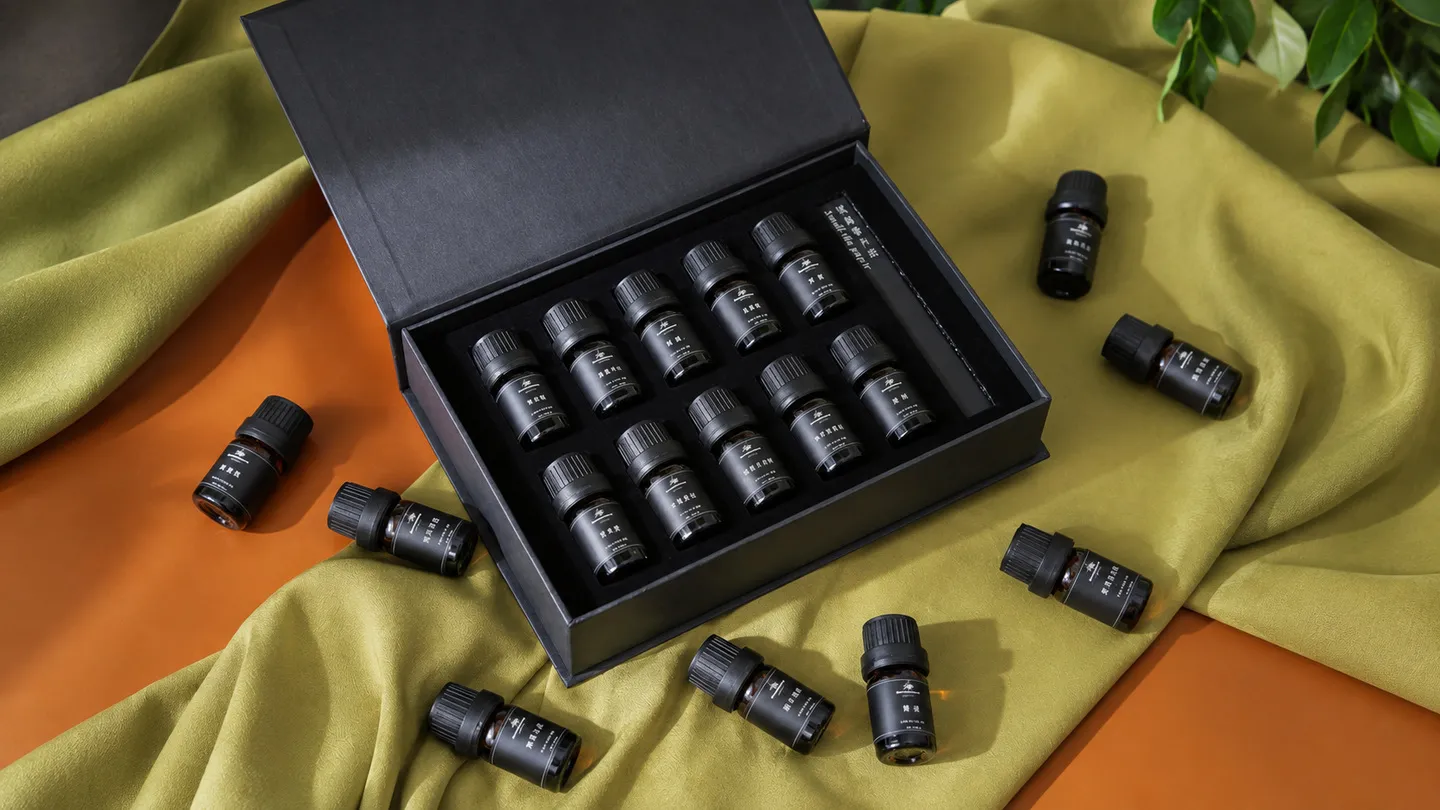
Before requesting a quote or developing a dieline, collect a physical sample or technical drawing for every container format. Measure the assembled vial with its production cap, dropper or spray top, label, and any protective sleeve in place. Record:
Do not size a cosmetic vial insert from the bottle body alone. Check that the cap and dropper do not press against the lid, that labels do not rub on insert edges, and that neighboring glass containers cannot strike one another. If leakage is a concern, verify the vial closure and filling process separately; an outer box cannot correct a faulty seal.
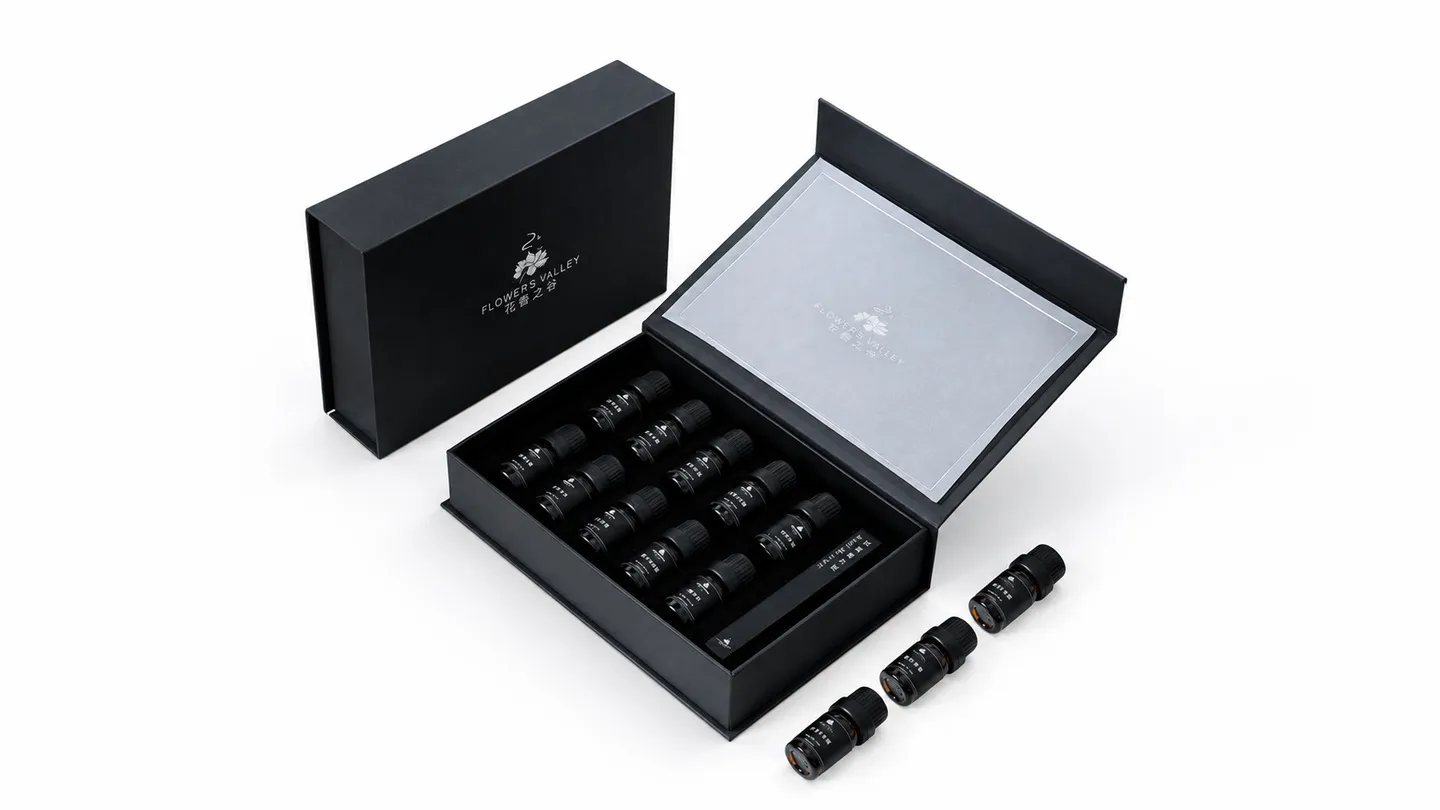
Folding cartons can suit single vials and compact multi-unit packs. Rigid lid-and-base or drawer-style boxes may work for gift and discovery sets where presentation is part of the brief. Compare the product arrangement, shelf display, unboxing needs, shipping route, and target cost before selecting a structure. See our options for folding cartons, lid-and-base boxes, and caixas de gaveta.
Choose the insert around vial weight, layout, removal, and the level of separation needed. Folded paperboard, molded pulp, and other insert materials each have different forming, cushioning, appearance, and cost characteristics. Ask for a sample using the intended vial format and confirm that it loads and unloads without forcing the container or distorting the box.
A paper-based insert does not by itself make a complete package recyclable or compliant. Coatings, laminations, adhesives, mixed materials, and local collection systems can affect recyclability. Substantiate environmental claims against the finished packaging and the evidence available for its materials.
Protection depends on the vial, insert, retail box, outer shipping carton, and packing method working together. Review a sample made with the actual vial or a representative container and materials close to the intended production specification. Agree with the buyer or carrier on the test method and acceptance criteria before testing.
Set cushioning and spacing for the actual shipping route and master-carton layout. A single drop or vibration test cannot represent every distribution condition, and passing a carton test does not prove that the vial closure is leakproof. Document the test setup and pass/fail criteria in the sample or purchase specification.
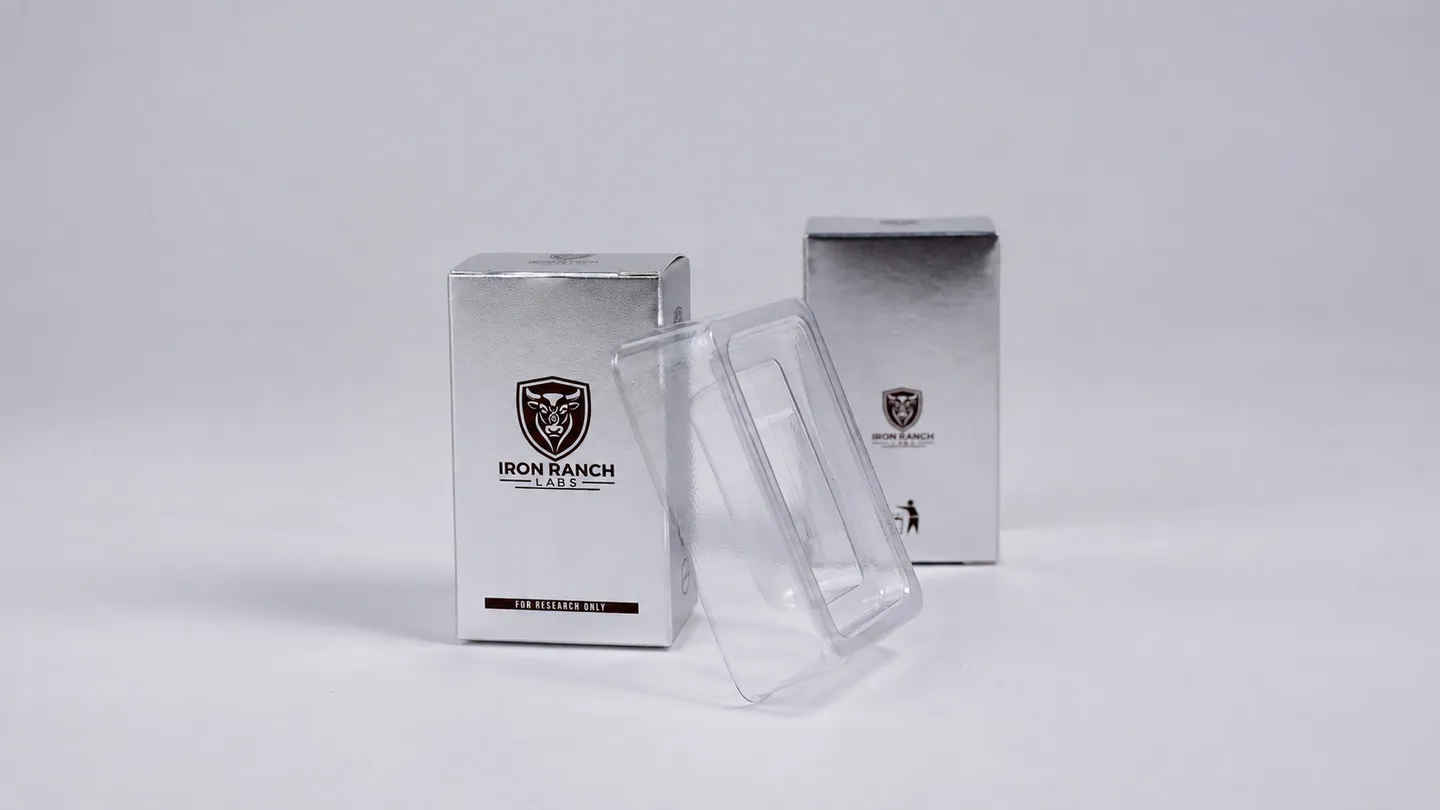
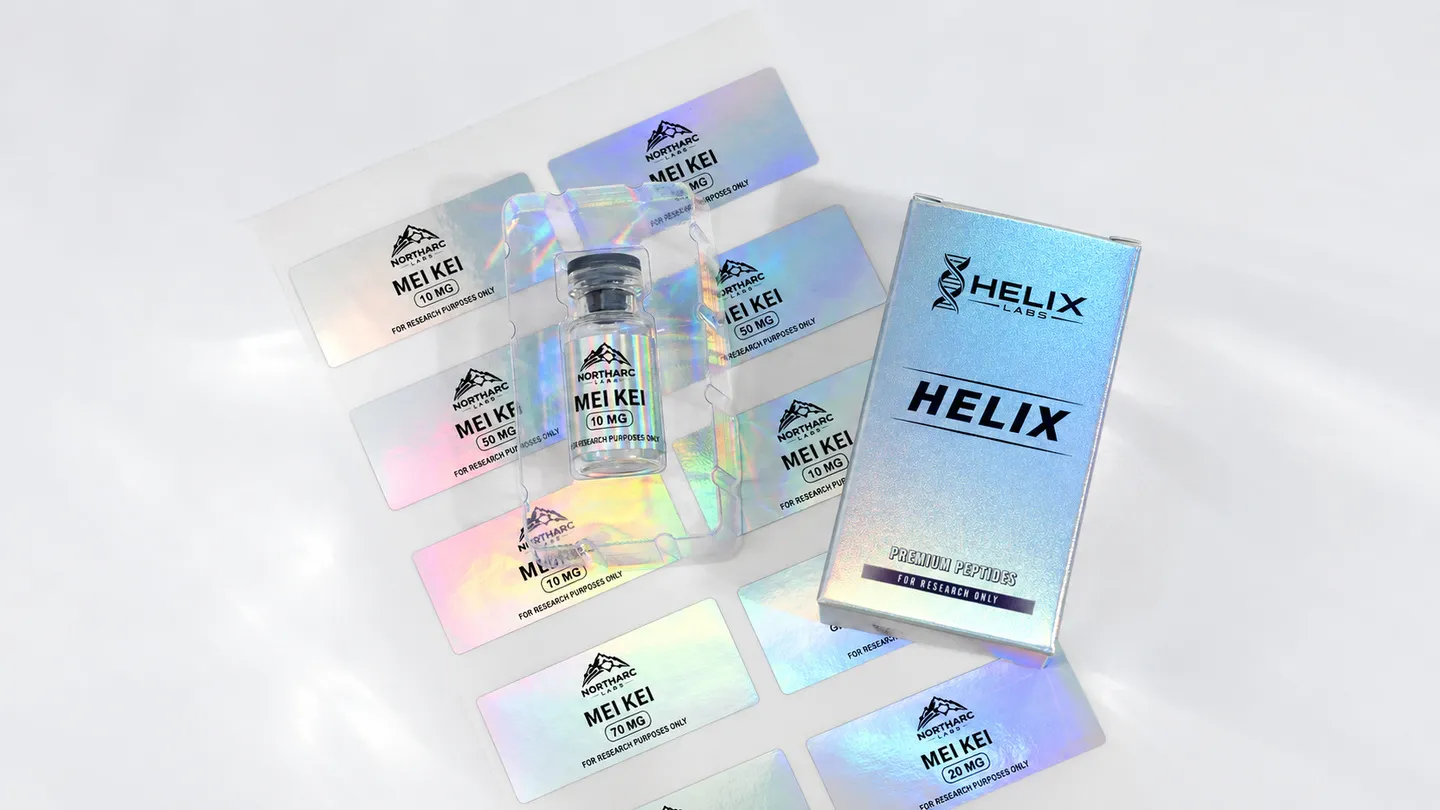
CMYK printing, foil stamping, embossing or debossing, soft-touch lamination, and spot UV are possible choices for beauty ampoule boxes, subject to the selected paperboard, structure, design, and budget. Confirm which processes are available for the specific box and review a physical sample before approving production.
Check color, foil position, fine-text legibility, fold lines, and the fit of the insert. Where the printed or coated surface contacts glass or labels, agree how to inspect for scuffing, transfer, sticking, or odor during sample review and storage. Keep approval tied to one dated artwork revision and the sample specifications being used.
Packaging requirements depend on the destination market, packaging components, and the roles of the brand, importer, and other supply-chain operators. In the EU, Regulation (EU) 2025/40—the Packaging and Packaging Waste Regulation (PPWR)—began applying on 12 August 2026, with obligations and transition dates that vary by provision. A paper insert or a particular box material alone does not establish compliance for the whole packaging set.
Article 12 provides for harmonised packaging material labels from 12 August 2028, or 24 months after the relevant implementing act enters into force, whichever is later. Confirm the rules and implementing measures applicable to the product and packaging when artwork is prepared. UK and US requirements must be checked separately; EU rules should not be assumed to apply there.
Do not treat FSC marks, country-of-origin statements, or recycling symbols as a universal checklist. Confirm the certification scope and mark-use authorization before using an FSC mark, and support environmental or material claims with evidence for the actual components. For legal interpretation, consult the competent authority or qualified regulatory adviser.
Official references: Comissão Europeia: aplicação do PPWR e implementação faseada; Regulation (EU) 2025/40, including Article 12.
Send the supplier the information needed to assess structure and sampling. A concise brief can reduce avoidable rounds of clarification:
Ask the manufacturer to confirm MOQ, sample arrangements, tooling or prototyping costs, production feasibility, and delivery timing for the selected structure and quantity. These terms vary by project and should be confirmed in the quotation and sample stage.
Crown Win Packaging can review box styles, inserts, and finishing options against your vial dimensions and project brief. Share the container size, number of vials per set, target market, estimated quantity, and artwork status through our packaging inquiry page to discuss a suitable direction. Final specifications, testing support, MOQ, and lead time are confirmed for each project.
Size and test the insert with the fully assembled ampoule, including its cap, dropper, label, or sleeve. Check movement, contact points, removal, and whether the closed box puts pressure on the container.
The choice depends on the product layout, sales channel, presentation needs, shipping conditions, and target cost. Compare folding cartons for compact retail packs with rigid or drawer boxes for sets, then test the selected structure with its insert.
Not automatically. The full structure, including coatings, laminations, adhesives, and mixed materials, as well as local recycling systems, affects recyclability. Confirm the finished package and substantiate any claim for its target market.
Start with the real container, match the insert and box to the sales and shipping conditions, and approve the complete pack against agreed checks. If you are also reviewing skincare packaging for sensitive-skin products, see our guide to skincare packaging considerations. For a project discussion, send Crown Win the vial dimensions, set quantity, market, and estimated order volume; final details are confirmed during sampling and quotation.