Descarregue o catálogo de produtos
Por favor, introduza o seu endereço de e-mail verdadeiro e enviar-lhe-emos o catálogo eletrónico para a sua caixa de entrada em breve.
Embalagens cosméticas personalizadas para marcas de beleza — solicite hoje mesmo o seu orçamento.

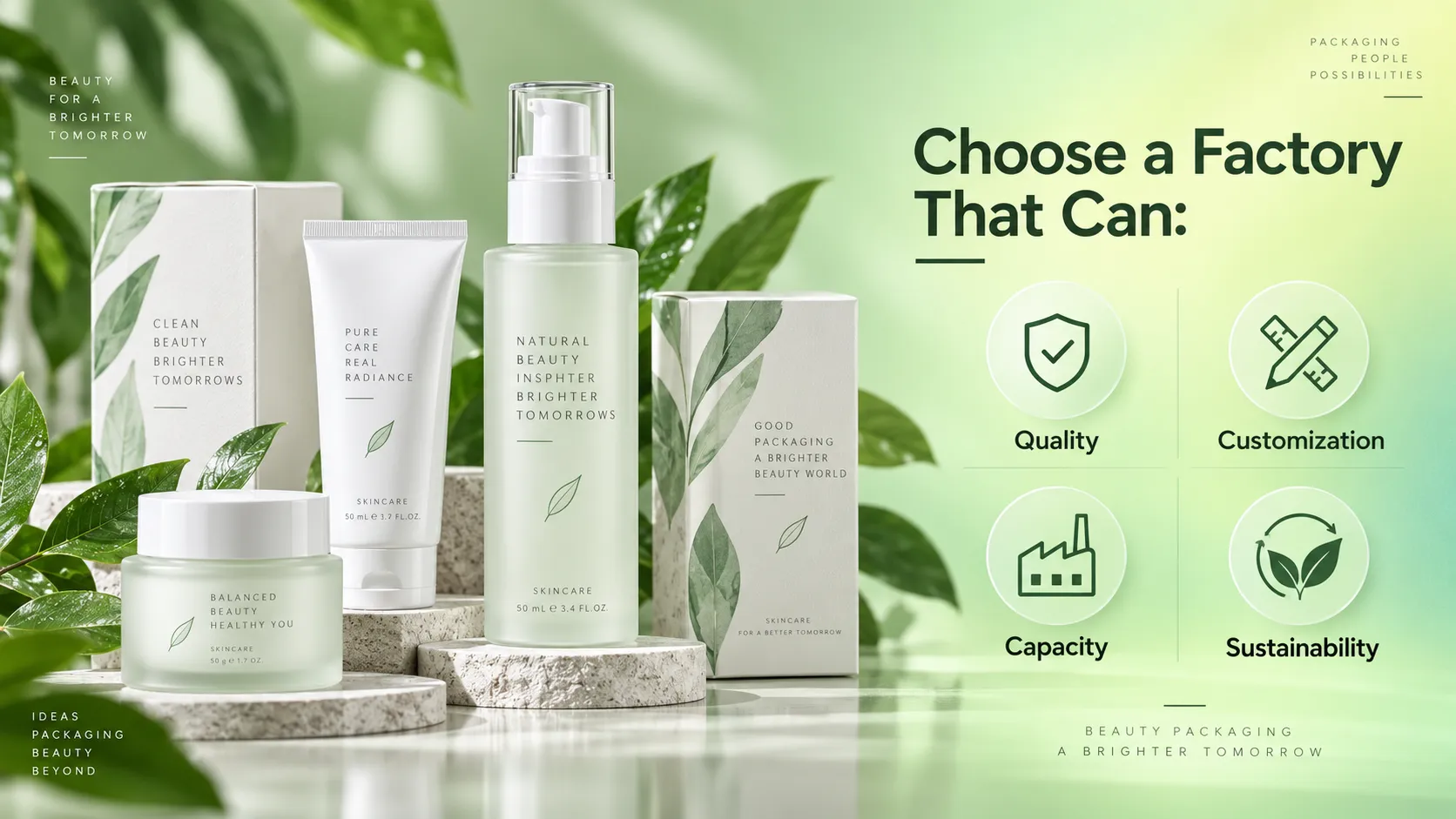
Cosmetic paper packaging factory selection should reflect the product, box structure, print finish, quality records, and order scope your brand needs. Before requesting a quote, ask who checks dielines and fit, how artwork and colors are approved, which quality records are available, what documents support material claims, and how order quantity, revisions, and timing are confirmed for your specific project.
For beauty brands selling globally, selecting the right factory for custom paper cosmetics packaging directly protects the brand image and prevents costly production delays.
Below, we detail the key characteristics that make a packaging factory an ideal partner for beauty brands.
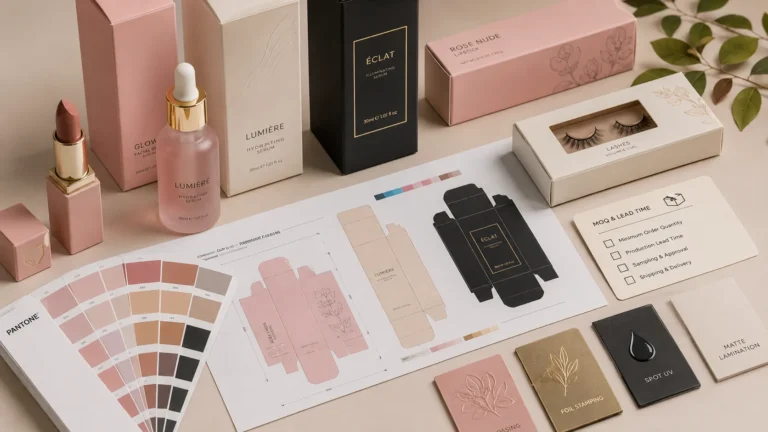
Surface finishes can add process steps. Identify the intended finish (for example hot stamping, embossing, soft-touch lamination, spot UV, or matte coating) and ask for a sample or swatch. Agree how color will be reviewed against the supplied reference and what is included in any proof round.
General packaging manufacturers often struggle with the intricate details of cosmetics printing. Factories specializing in beauty packaging understand how to prevent scratches, scuffs, or foil cracking during mass production—factors that are critical for high-end skincare and color cosmetics packaging.
Packaging documentation is market- and product-specific. List the destination markets and ask the buyer’s compliance team which requirements apply to the packaging components and product. Verify any supplier certifications or test reports by document, scope, site, and date; do not treat one certificate or material claim as universal regulatory approval.
They should be able to provide the necessary documentation and audit records required for customs clearance and brand audits. Without this expertise, brands risk having their goods detained or rejected by customs.
Ask which sample and production checkpoints are used for your project. Request the inspection criteria for dimensions, print placement, surface defects, and assembly, plus any sample or production records the supplier can share.
This level of quality control effectively prevents common cosmetics packaging issues such as cardboard warping, misalignment, coating damage, and inconsistent box assembly.
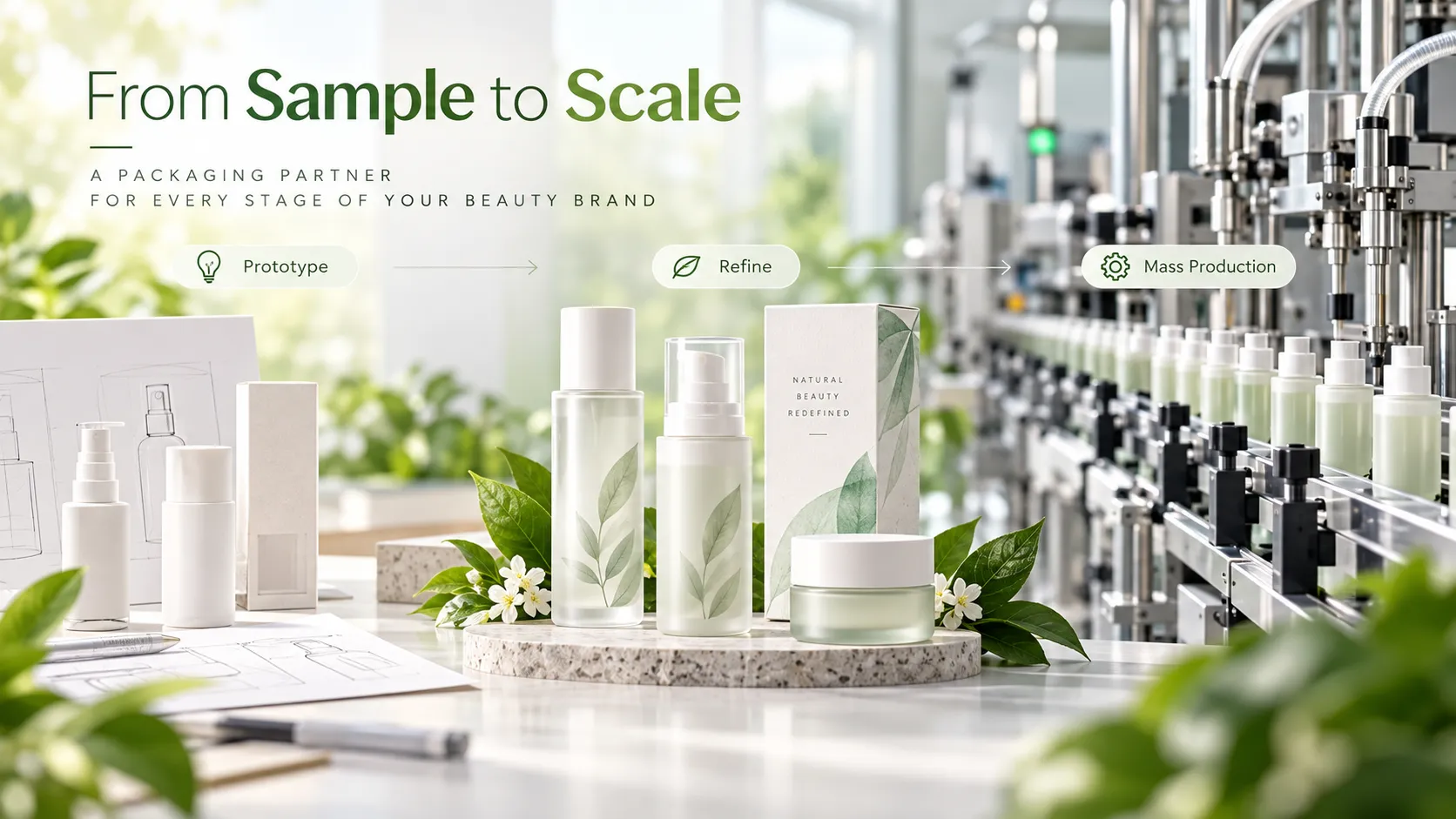
State the sample quantity, intended order volume, number of size or artwork versions, and expected reorder plans. Ask how quantity affects the quote and what minimums apply to this box style, material, and finish; confirm sample and bulk schedules separately.
Flexible production scheduling also enables brands to respond to seasonal product launches and rapid market changes without facing long wait times.
When comparing suppliers, ask who reviews the structure and artwork, what sample process is included, how inspection records are handled, and which export or compliance documents are available for the specified market. Compare answers and supporting documents to your project requirements before selecting a supplier.
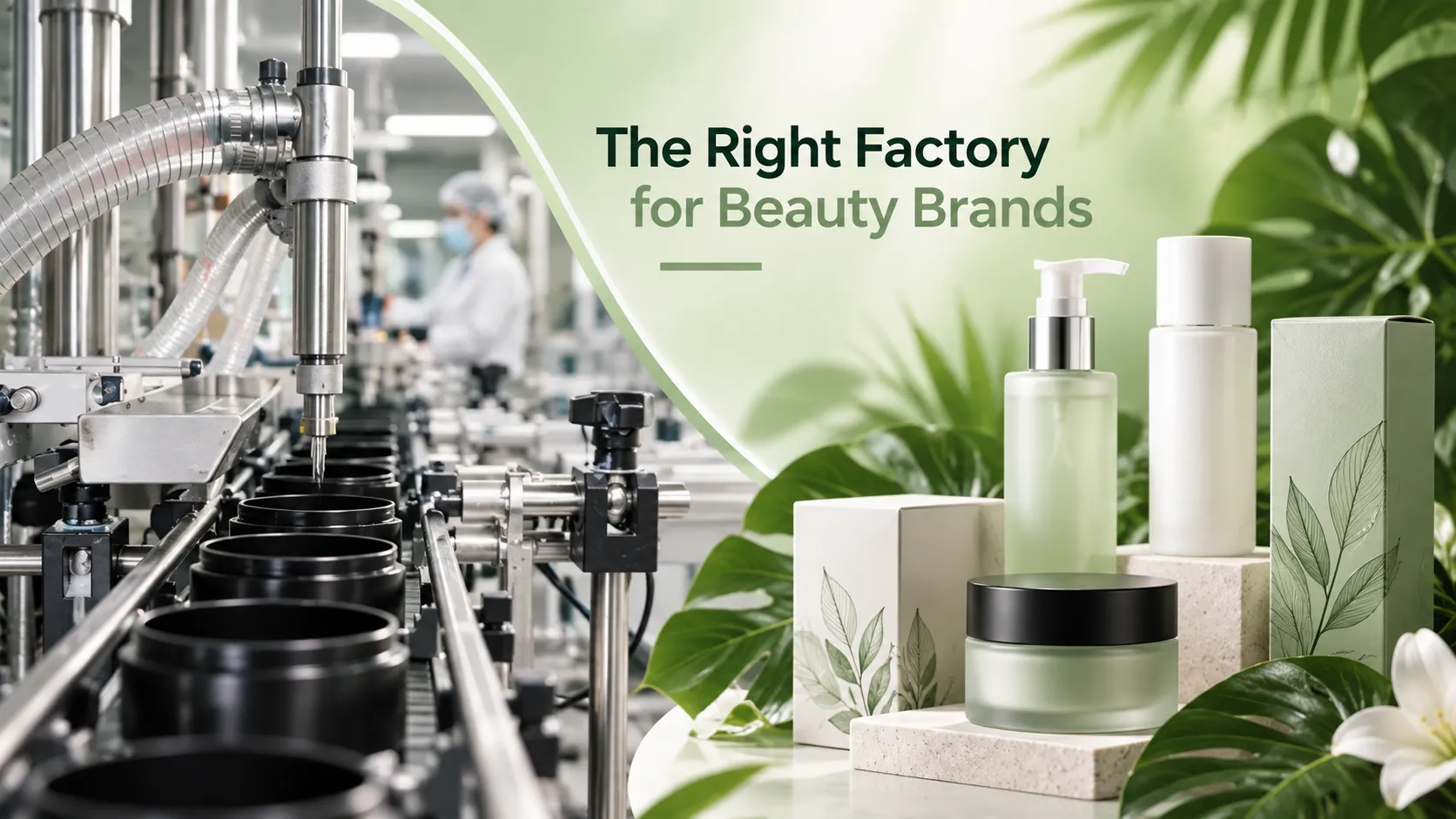
A useful factory comparison checks the supplier’s structural review, print samples, documented quality process, market-specific material evidence, quantity terms, and communication plan. Match each point to your project and ask for supporting records where needed.
Check out our previous guide, “Como as marcas de beleza devem preparar um pedido de cotação de embalagens antes de contactar os fornecedores,” to streamline your procurement process.
If you are looking for a reliable partner for custom cosmetic paper packaging, please contact our team to discuss your project.