Descarregue o catálogo de produtos
Por favor, introduza o seu endereço de e-mail verdadeiro e enviar-lhe-emos o catálogo eletrónico para a sua caixa de entrada em breve.
Embalagens cosméticas personalizadas para marcas de beleza — solicite hoje mesmo o seu orçamento.

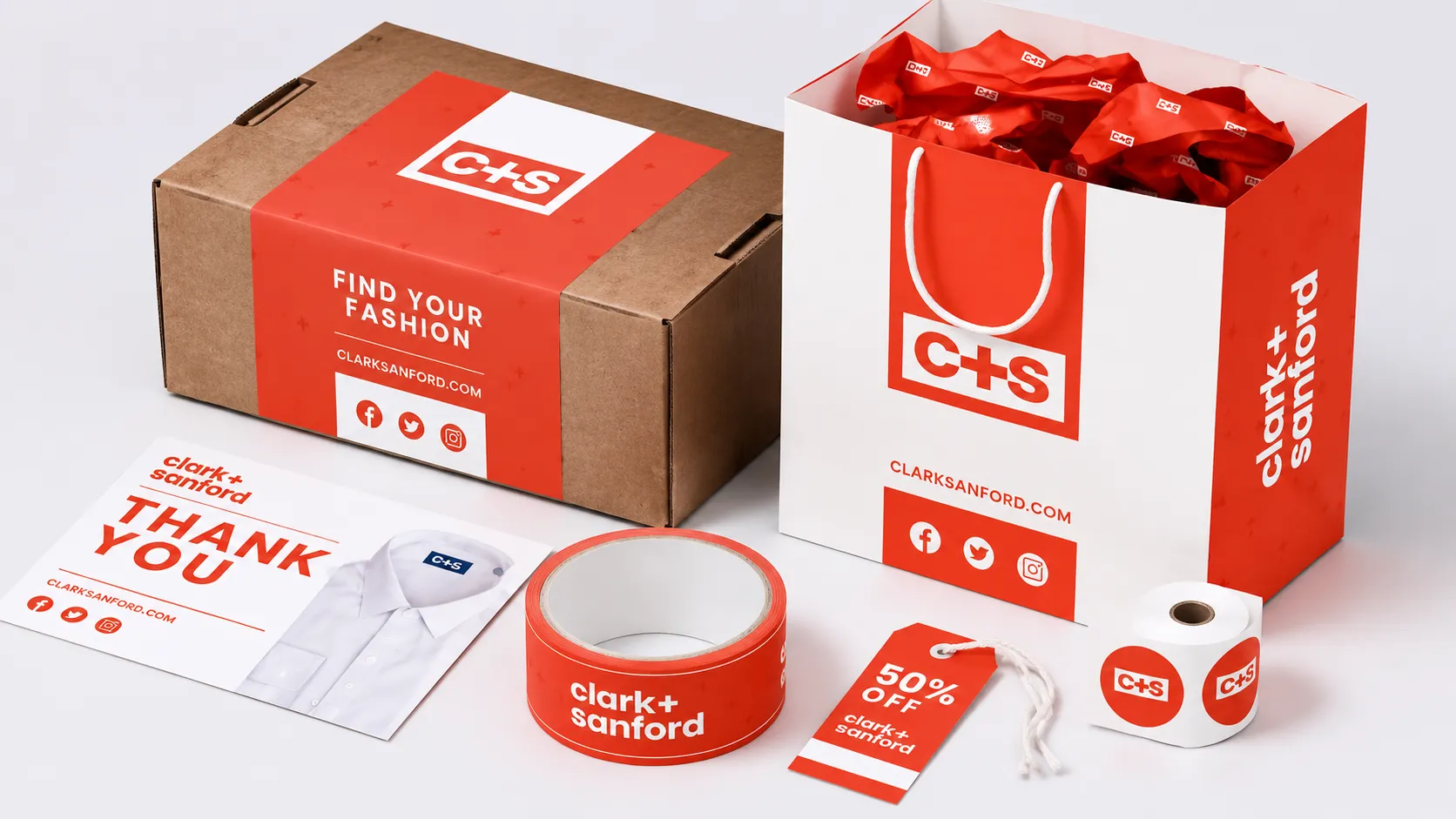
An e-commerce mailer box should be designed around the order it will ship, not just the product it displays. A complete set and a single replacement accessory can need different box sizes, inserts, closure methods, and packing steps. Start by mapping common order combinations, then test each mailer with the actual items and protective materials.

A presentation box and a shipping mailer do different jobs. The presentation box organizes and displays a product. The outer mailer helps contain that presentation box or the individual items during fulfillment and transit. Treating them as one package can leave too much empty space, make packing awkward, or fail to account for parts that ship separately.
This matters when a brand sells both a complete kit and individual accessories. The full order may include several products, a printed insert, and a presentation box. A single accessory order may contain only one small item. Using the same large mailer for both can be inefficient, while forcing every combination into a small box can create fit and protection problems. The right choice depends on the real packed configuration.
A French accessories brand asked about a presentation box for a set, separate packaging for individual accessories, and two e-commerce mailer boxes. The larger mailer was intended for the complete set; the smaller one was for an individual accessory. Because the brand was still in development, the buyer wanted to review unbranded structural samples before choosing final artwork.
This is a useful sequence: settle the contents and structure first, check the packing method with neutral samples, and apply brand artwork after the fit and format are agreed. The example is based on an anonymized buyer inquiry.
Write down what can appear in a typical order. Include the main product, accessories, presentation box, printed cards, protective wrap, and any order-specific materials. Separate the full kit from single-item, refill, replacement, or gift orders if their contents differ.
Do not design only for the smallest or most attractive arrangement. Confirm which combinations are actually part of the sales plan and which are only occasional exceptions.
Ask whether the branded presentation box will go directly into the mailer, whether individual products need their own cartons or sleeves, and whether an accessory needs a small inner pack. Each layer adds dimensions and affects how items sit together. If a presentation box will be placed inside the outer mailer, measure and test the two together rather than estimating from the product dimensions alone.
Record the finished outside dimensions of the items and inner packages in the arrangement used for fulfillment. Add the protective material and any components that occupy space. Check the largest planned combination and note which parts must not be compressed, scratched, or allowed to move freely.
These measurements are a starting point for structural development, not a substitute for a sample. The final fit depends on board thickness, folding and closure details, insert placement, and the way the order is packed.
Choose the mailer style, board specification, closure, and internal support for the product and shipping conditions. A lightweight accessory and a multi-piece kit may need different internal layouts. If the product already sits in a presentation box, check whether it stays in place inside the mailer and whether extra cushioning is needed. Carrier packaging guidance also emphasizes choosing suitable packaging and cushioning; confirm the applicable requirements for your carrier and shipment rather than applying one fixed clearance to every box.
A plain structural sample can help you check dimensions, assembly, closure, and the order in which products are packed before artwork is finalized. Test each mailer with the intended contents and protective materials. Note whether the staff can pack it consistently, whether the box closes without forcing, and whether items shift when the package is handled as intended. Agree in advance on what the sample is meant to verify.
Photos and videos can document appearance and assembly, but they cannot show every fit or handling detail. For a new structure, use a physical sample for the checks that matter to your project. For more on comparing a shared box structure across product variations, see how to assess one dieline across multiple SKUs.
Ask suppliers to quote the same defined structure, dimensions, material, printing, insert, and quantity for each mailer. Keep the full-set mailer and single-accessory mailer as separate line items. Also identify sample charges, packing accessories, shipping method, destination, and delivery terms so the quote scope is clear.
If the order contents, dimensions, artwork, or destination change, update the specification before comparing prices. A quote for one packing configuration does not automatically apply to another.
Only if the planned order configurations fit and can be protected consistently in that format. If a full kit and a single accessory have very different packed sizes, compare separate mailers against the actual fulfillment workflow.
Arrange the products, inner packaging, and protective materials as they will be packed. Measure the complete arrangement and confirm those dimensions with a structural sample. The final box must account for board thickness, closure, and any insert.
Yes, if the outer mailer is sized and specified for the presentation box plus any required protection. Test both packaging layers together. Do not assume the presentation box alone is designed for parcel transit.
Not always. When the brand or structure is still being developed, an unbranded sample can help confirm dimensions, assembly, and fit first. Final artwork can follow once the format is approved, with the production file matched to the confirmed dieline.
Share the order contents, packed dimensions, expected quantity for each configuration, mailer style, material or protection needs, artwork status, destination, and delivery terms. If some details are provisional, label them clearly so the quote can state its assumptions.
The useful starting point for e-commerce mailer box design is a simple order map: what ships in the full set, what ships alone, and what packaging surrounds each item. From there, dimensions, structure, samples, and quotes can be reviewed against a real configuration. Share the contents of your kit and individual accessory orders to discuss suitable mailer formats.
Reference: UPS packaging tips for shipping.