Download the Product Catalog
Please enter your real email address, and we will send the electronic catalog to your inbox shortly.
Custom cosmetic packaging for beauty brands — request your quote today.

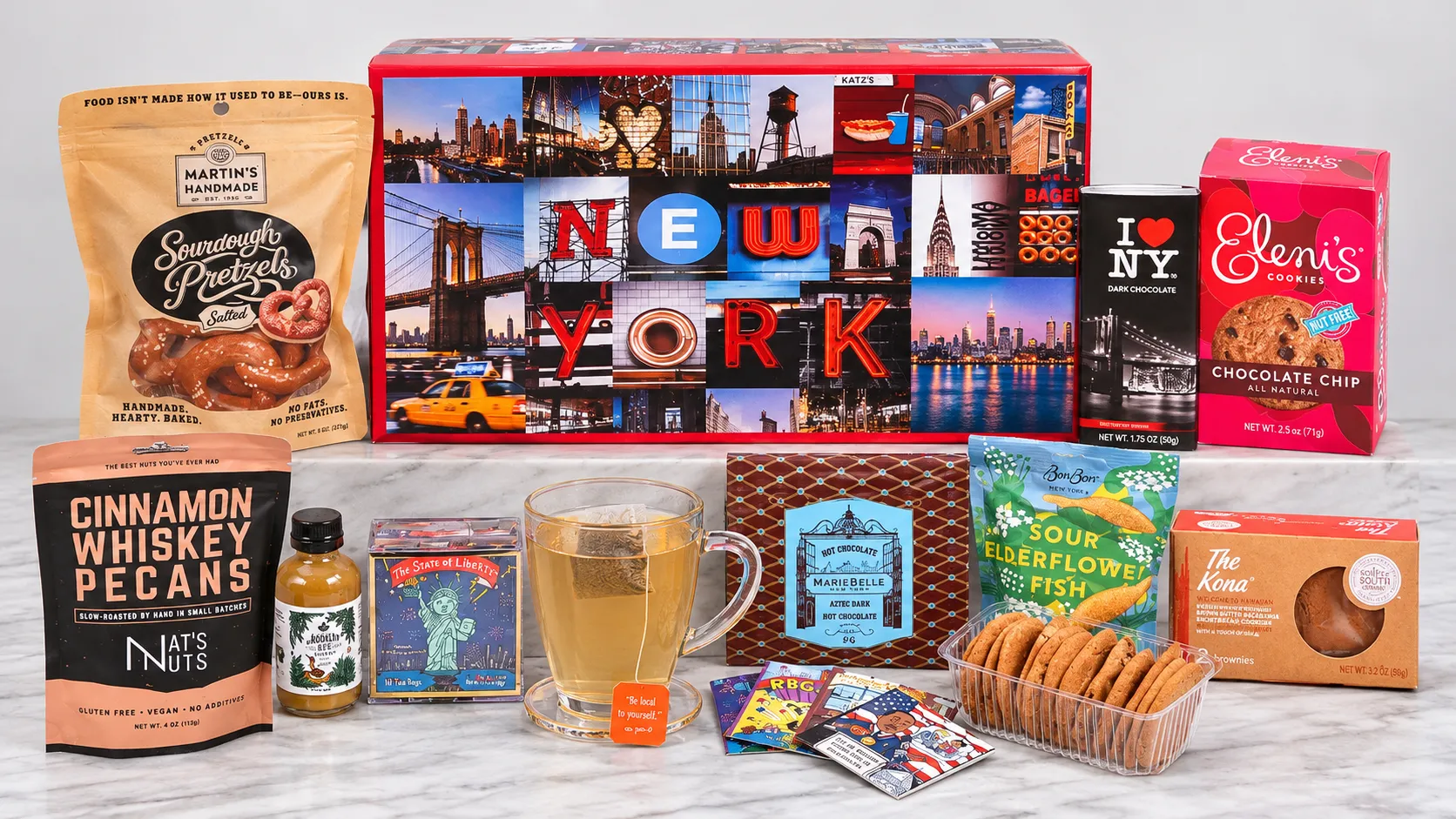
A food gift box should be designed around the food, its protective packaging, and the way it will be packed. Confirm the product size range, piece count, tray layout, and food-contact arrangement before approving the artwork. Otherwise, an attractive printed box may still squeeze larger pieces, allow smaller ones to move, or leave too little space for product information.
This guide explains seven checks for buyers developing date, chocolate, confectionery, and other food gift packaging. The starting point is a practical question: can the complete package hold the intended food consistently, using materials suitable for the intended use?
In an anonymized U.K. inquiry, a buyer changed a date gift-box concept from a smaller pack to a twelve-piece format. The dates varied naturally in size, and their surface coating needed protection. The buyer also wanted a complete delivered price.
That change affected more than the number printed on the lid. The tray arrangement, usable box space, packaging layers, and quotation all needed another review. The earlier quote no longer described the revised package.
This example comes from a buyer inquiry. It illustrates questions to resolve during development, rather than a completed production result or a verified shipping test.
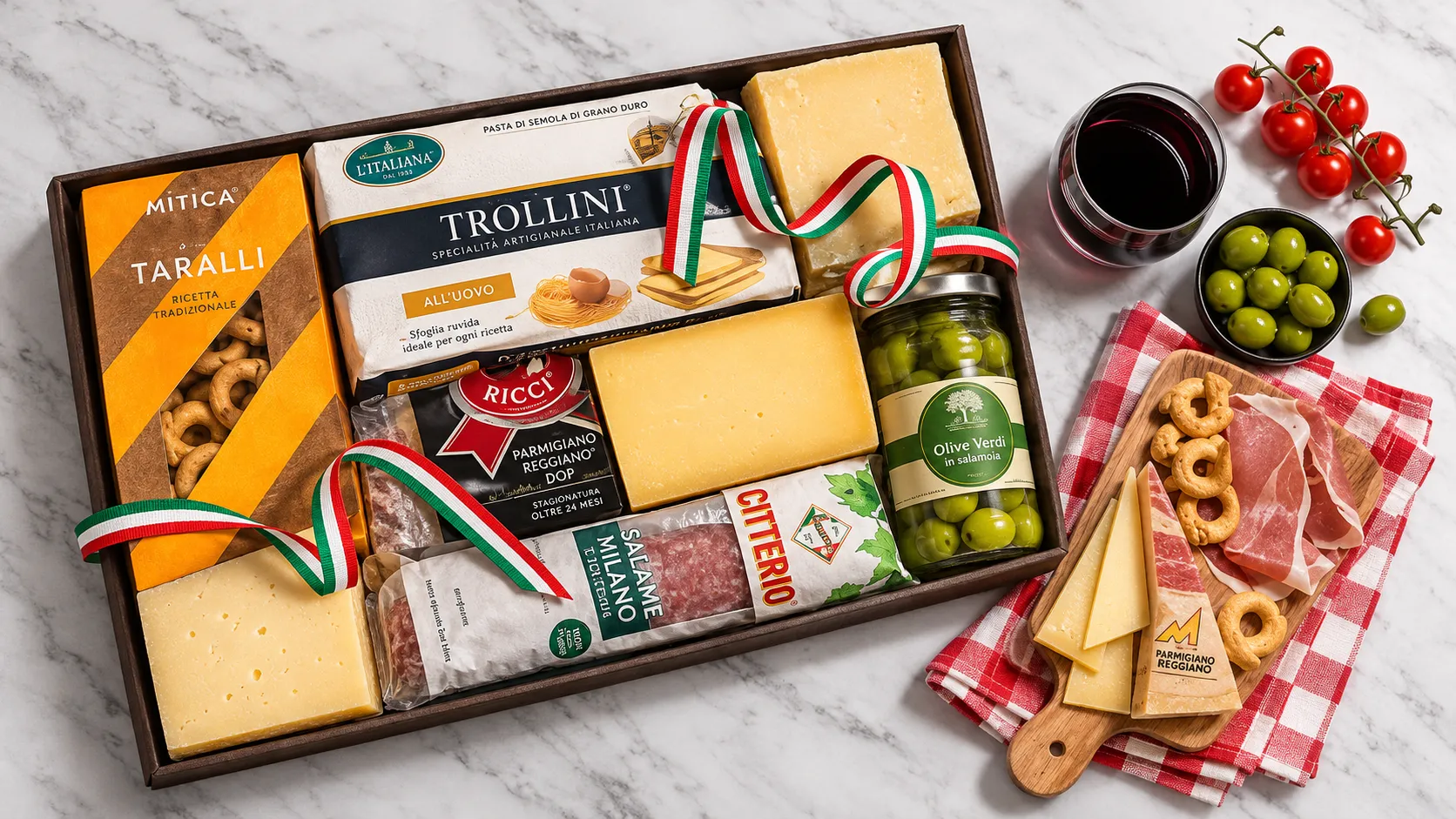
Measure representative products from the range you expect to pack. Record length, width, height, and any variations that affect how the food sits in its cavity. Include individual wrappers or cups when these will be part of the final pack.
One neatly selected date or chocolate may not represent the entire batch. A cavity sized only for that piece could be too tight for a larger product or too loose for a smaller one. Explain whether the food has a soft surface, a delicate coating, protruding decoration, or a shape that changes during handling.
The packaging supplier needs these details to discuss a workable fit. The food producer should confirm any storage and shelf-life requirements that the packaging must support.
Confirm how many pieces belong in one retail unit and how they should be arranged. Twelve pieces can be laid out in several ways, and each layout changes the footprint, cavity spacing, and appearance when opened.
Check whether every position contains the same food or whether the box holds a mixed selection. A mixed assortment may need different cavity sizes or a clear packing sequence. Also consider how a packer will place the food and how the customer will remove it.
When the count changes, revisit the tray and box together. Adding pieces to an existing layout can create pressure between products or reduce the space needed for protection. A shared exterior is only useful when the revised contents still fit the confirmed structure.
List the packaging layers: individual wrapper, cup, liner, tray, divider, lid sheet, and outer gift box. Identify where the food can touch during packing, storage, or movement. A wrapper may change the contact arrangement, but it should not be assumed to eliminate every contact risk.
Food-contact suitability depends on the material and its intended conditions of use. Tell the supplier what food is involved, how long contact is expected, and the relevant temperature conditions. Request supporting documentation for the actual material and use, including a declaration of compliance where required.
For U.K. projects, GOV.UK packaging guidance explains the need for suitable food-use packaging and identifies specific documentation requirements for certain materials. Confirm the applicable requirements for the exact destination, material, and product. A general paper-sourcing certificate does not establish that the finished tray or box is suitable for its intended food-contact use.
A tray must control movement while leaving enough room for normal product variation. Review cavity width, depth, spacing, and clearance beneath the closed lid. The food should be supported without being forced into place.
For coated products, check what happens as the piece is inserted and removed. A cavity may hold securely yet rub the coating at its narrowest point. For smaller pieces, check whether movement could bring the food into contact with another piece or the lid.
There is no single clearance that suits every food and tray material. Agree on a sample-based fit check using representative sizes, and make the acceptance criteria clear. The tray should be reviewed as part of the complete assembled box.
Distinguish the box’s usable internal space from its finished outside dimensions. The tray, liner, inner wrap, and any protective top sheet all occupy space. Measure the complete assembly and close the lid with the intended contents inside.
Check the order of packing as well. Can the tray be placed consistently? Can staff load each position without damaging the food? Does the lid close naturally? Can the customer remove a piece without disturbing the whole assortment?
If the gift box will be shipped by parcel, review the outer shipping carton and protective materials separately. A presentation box’s appearance does not demonstrate transport protection. Agree on handling and shipping checks appropriate to the intended distribution route.
Identify the product information that must appear on the final sales package, then allocate readable space on the confirmed dieline. Depending on the product and market, this may include ingredients, allergens, quantity or weight information, storage instructions, date marking, and business details. Have the responsible food business approve the actual wording and applicable requirements.
Decide which information will be printed permanently and which will be applied as a variable label or code. Check that the chosen area remains accessible after packing and is not hidden by a sleeve, ribbon, fold, or sealing label.
If the count or assortment changes, review both the structural layout and the product-information panel. Approve one clearly identified artwork file against the final dieline.
When the product count, tray, contact material, or dimensions change, ask for an updated specification and quote. Compare suppliers on the same package, quantity, and delivery basis.
Use a structural sample to check layout and fit. Review the final specified materials and printed finish at the appropriate approval stage. A plain development sample does not by itself approve food-contact suitability, final print color, or transport performance.

A clear brief helps the supplier identify missing decisions before estimating a production price. Send the following information together:
Mark provisional details clearly. If the food or assortment is still changing, request an initial estimate with its assumptions listed, then confirm the final price after the specification is settled.
Confirm the food, piece count, contact arrangement, and structural fit before approving final artwork. Brand concepts can develop in parallel, but the print-ready file should match the confirmed dieline and information layout.
Possibly, if the cavity design accommodates the realistic size range without excessive movement or pressure. Check representative small and large pieces in a physical sample. A mixed assortment may need more than one cavity size.
No. Assess the actual material, any coatings or other relevant components, and the intended food-contact conditions. Confirm the supporting documentation required for the product and destination market.
No. It may change the tray arrangement, box dimensions, material use, artwork, packing method, and shipment volume. Ask for the revised specification and delivered quote rather than applying an old price to the new format.
Shelf life cannot be established from the appearance or rigidity of the gift box. It depends on the food, protective packaging, processing, and storage conditions. The food business should validate shelf life for the complete product and packaging system.
Confirm the product range, tray fit, closure, specified contact materials and documents, approved artwork, packing method, and delivery scope. Record what each approved sample verifies and resolve outstanding items before production authorization.
A useful food gift box brief connects the food to the tray, the tray to the box, and the finished pack to its labels and delivery requirements. When one part changes, review the connected decisions before approving the artwork or price.
Share your food type, size range, piece count, intended contact layers, quantity, and sales market with Crown Win to begin a packaging discussion. We can review the structural brief and identify the specifications that need confirmation before sampling and quotation.
Before choosing what to approve at each stage, read our guide to pre-production samples in custom packaging. It explains how sampling fits into the development process. Confirm food-contact suitability and supporting documents separately for your exact product and material.
Ready to discuss your package? Send product photos, the realistic size range, pack count, intended wrappers or liners, quantity, sales market, and delivery destination. Include any areas where the coating or shape needs extra protection so the structural brief can address them.
Still comparing layouts? Tell us which details are provisional so the initial estimate can state its assumptions and the next sampling step can be defined.