Télécharger le catalogue de produits
Veuillez saisir votre véritable adresse e-mail ; nous vous enverrons le catalogue électronique dans votre boîte de réception sous peu.
Emballages cosmétiques sur mesure pour les marques de beauté — demandez votre devis dès aujourd'hui.

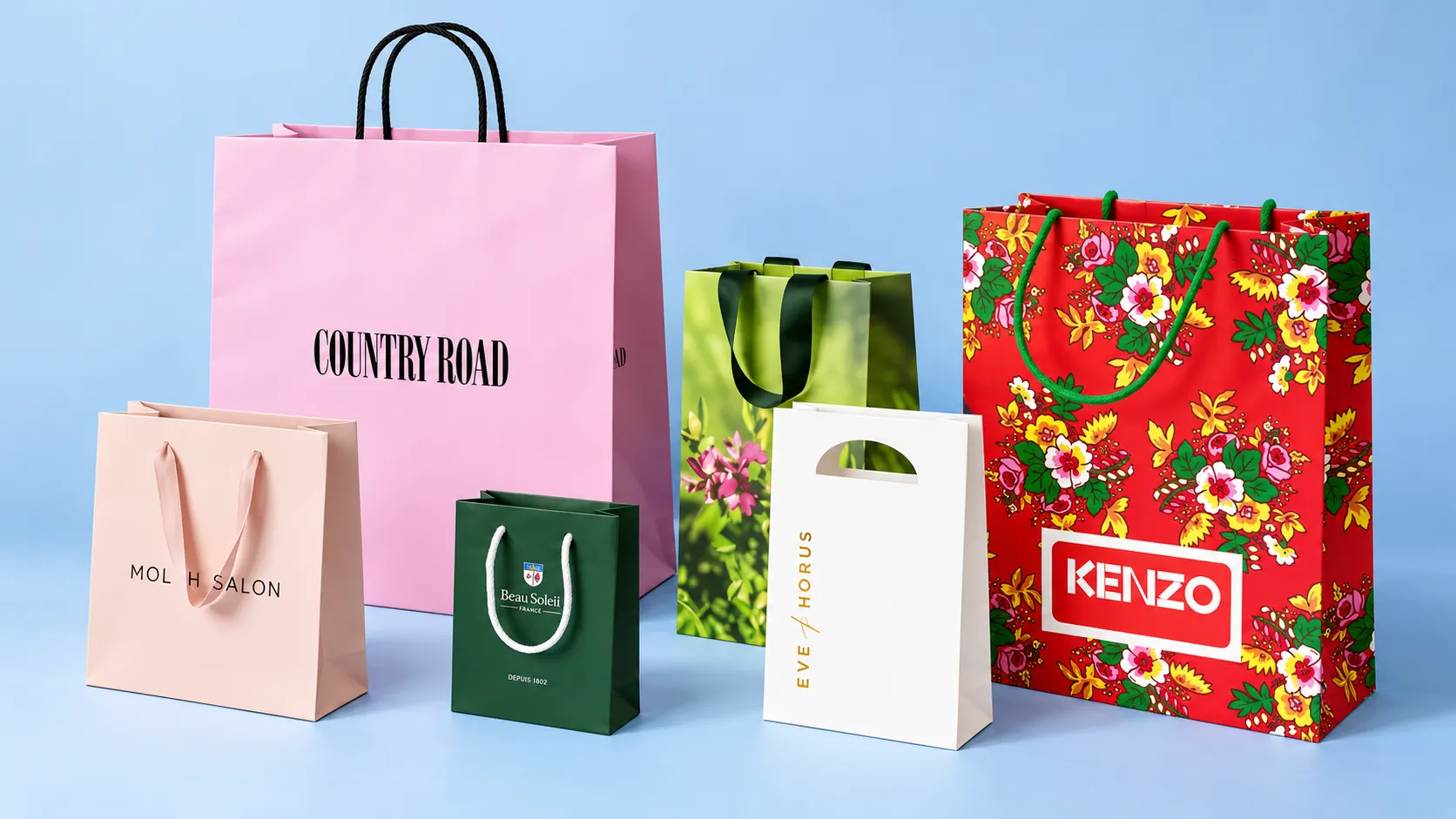
A logo shows how a paper bag might look, but it does not define what the bag needs to hold or how it will be used. Dimensions, paper specification, handle construction, printing, quantity, and delivery location all help shape a useful custom paper bag quote. Preparing these details before you ask suppliers makes it easier to compare options on the same basis.
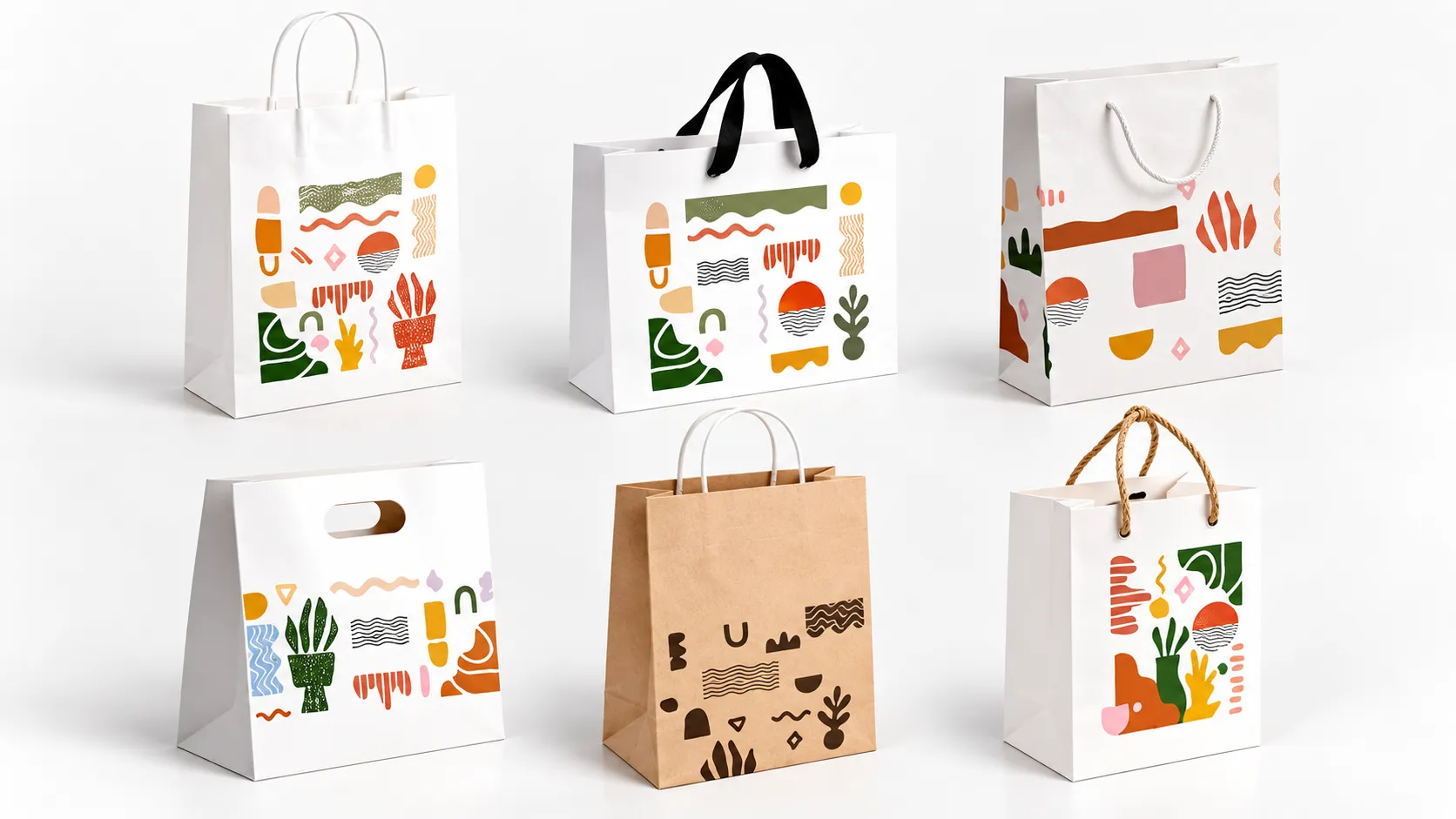
In an anonymized inquiry, a buyer asked for prices at two order quantities and requested photos of previous production. The initial brief did not include the bag dimensions, paper specification, handle type, printing details, or delivery location.
Without those inputs, a supplier would have to assume a bag configuration that might not fit the product or suit its intended use. A short, clear specification gives the quote a more useful starting point.
Case note: This example is based on an anonymized buyer inquiry.
Share the dimensions of the product or gift box that will go inside the bag. If the bag will hold several items, explain how they will be arranged and whether they will be packed together or separately. For a rigid gift box, provide its length, width, and height. A product photo can help explain the use case, but measurements are still needed to assess fit.
Provide the approximate weight of one item or the full set, and describe how the bag will be carried. For example, will a shopper carry it for a short distance, or will it hold a heavier gift box? Paper weight alone does not define the carrying performance of a finished bag. The bag format, bottom construction, handle attachment, and any reinforcement also matter. If the load is important, state it clearly and review the proposed sample with the actual product.
If you already have a preferred paper or look, share it. You might want a natural kraft appearance, a white surface, or a paper suited to a more detailed printed design. If you are unsure about the exact paper specification, do not guess. Start with the product dimensions, weight, and intended use so the supplier can recommend options for review.
Tell the supplier whether you prefer twisted paper handles, flat paper handles, cotton rope, or a die-cut handle. If you have not chosen a style, explain how the bag will be used and ask for suitable options. For heavier contents, mention the expected load so the handle attachment and any top or bottom reinforcement can be considered together.
Provide your logo file or a visual reference and clarify the print requirements:
If the artwork is not ready, a logo and reference image can still help start the discussion. Confirm the final artwork and sample before production.
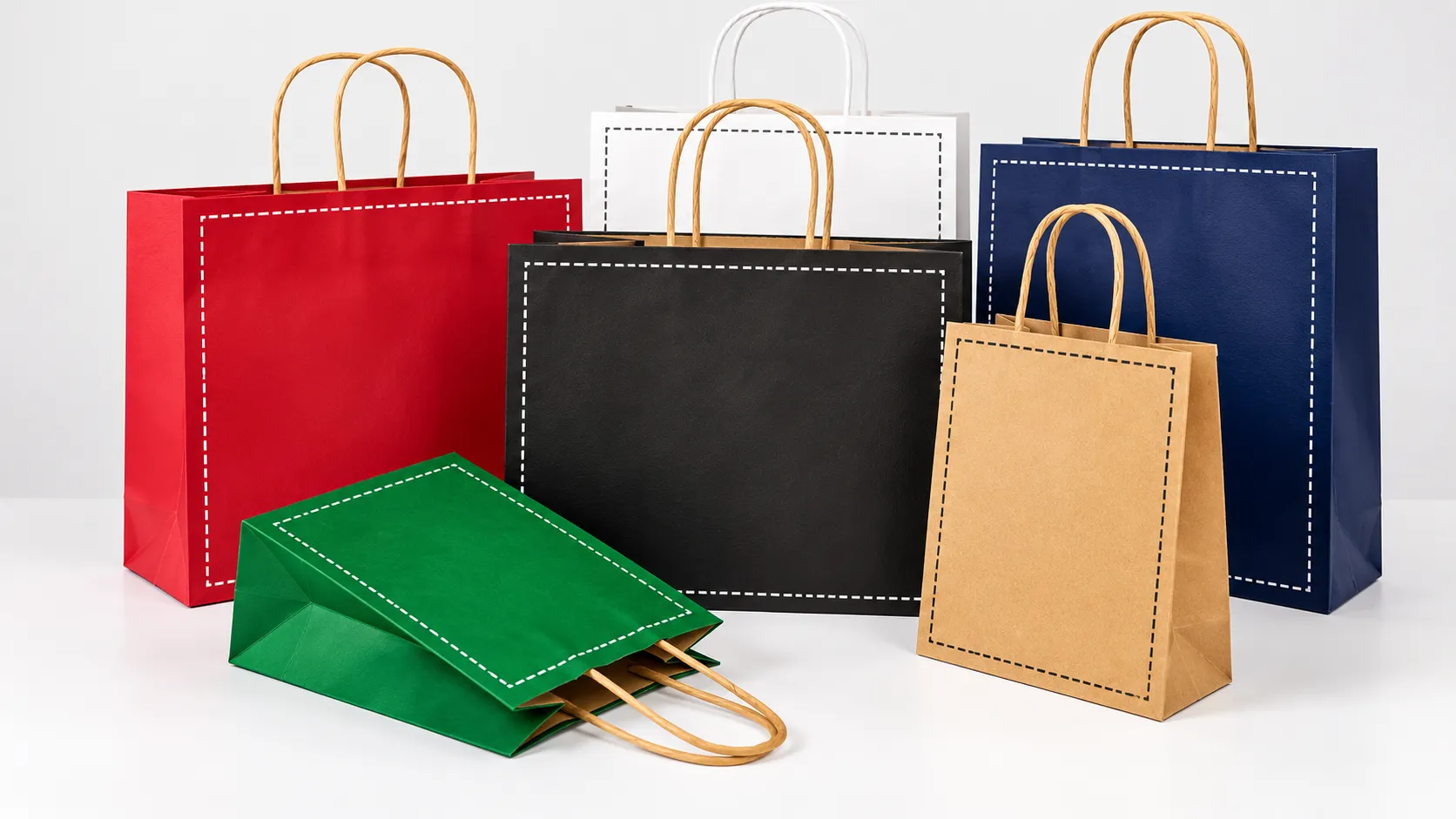
List each quantity you want to compare. If the order includes multiple sizes, colors, or artwork versions, show the quantity for each one. Also provide the destination country or region. A postal code and target delivery date can help clarify the delivery scope when needed.
Copy and complete the fields you know before sending an inquiry:
Product or gift-box dimensions:
Approximate product weight:
Bag purpose and use:
Preferred bag dimensions (if known):
Paper preference or appearance:
Handle style (if known):
Logo or artwork:
Print colors and coverage:
Finishes (if any):
Quantity option 1:
Quantity option 2:
Delivery country or region:
Postal code (if applicable):
Target delivery date:
Other requirements:
If you do not know the paper, handle, or finished bag size yet, start with the product dimensions, weight, photos, intended use, and quantities. These details can help frame the next specification discussion.
Do not compare unit prices until you have checked that the specifications match. Review the bag dimensions, paper, handle, print coverage, finishes, quantities, and delivery scope. Also confirm whether sampling, packing, or shipping is included in each quote.
Photos of previous production can show examples of a supplier’s construction and print work, but they do not confirm the specifications of your project. The dimensions, paper, artwork, and handles may differ. Before bulk production, review the approved design and sample with the actual product, including how it fits and how the handles perform in the intended use.
Not always. If the artwork is still in progress, share the logo, brand references, product dimensions, weight, quantity, and delivery location. You can confirm print colors, coverage, and layout as the design develops. A custom paper bag quote becomes more useful when these details are reviewed together.
The supplier will usually need more detail, including bag size, paper, handle, printing, and delivery conditions. With those details missing, any quote may rely on assumptions that do not match the final bag.
Photos can help you understand examples of previous work, but they cannot verify the size, paper, printing, or handle requirements for your specific project. Confirm the project specifications and review the corresponding sample before production.
A useful custom paper bag quote starts with a clear picture of what the bag will carry, how it will be used, how it should look, how many are needed, and where they will be delivered. If some specifications are still open, share the product dimensions, approximate weight, intended use, and quantity as a starting point.
Send your product dimensions, expected weight, and the two quantities you want to compare to begin assessing a suitable custom paper bag.
For a clearer custom paper bag quote, compare specifications before comparing price. Explore Crown Win’s custom packaging options and review FSC guidance for paper and packaging when sourcing certifications are part of your brief.