Scarica il catalogo prodotti
Inserisci il tuo indirizzo e-mail vero e proprio e ti invieremo a breve il catalogo elettronico nella tua casella di posta.
Confezioni cosmetiche personalizzate per marchi di bellezza — richiedi oggi stesso il tuo preventivo.

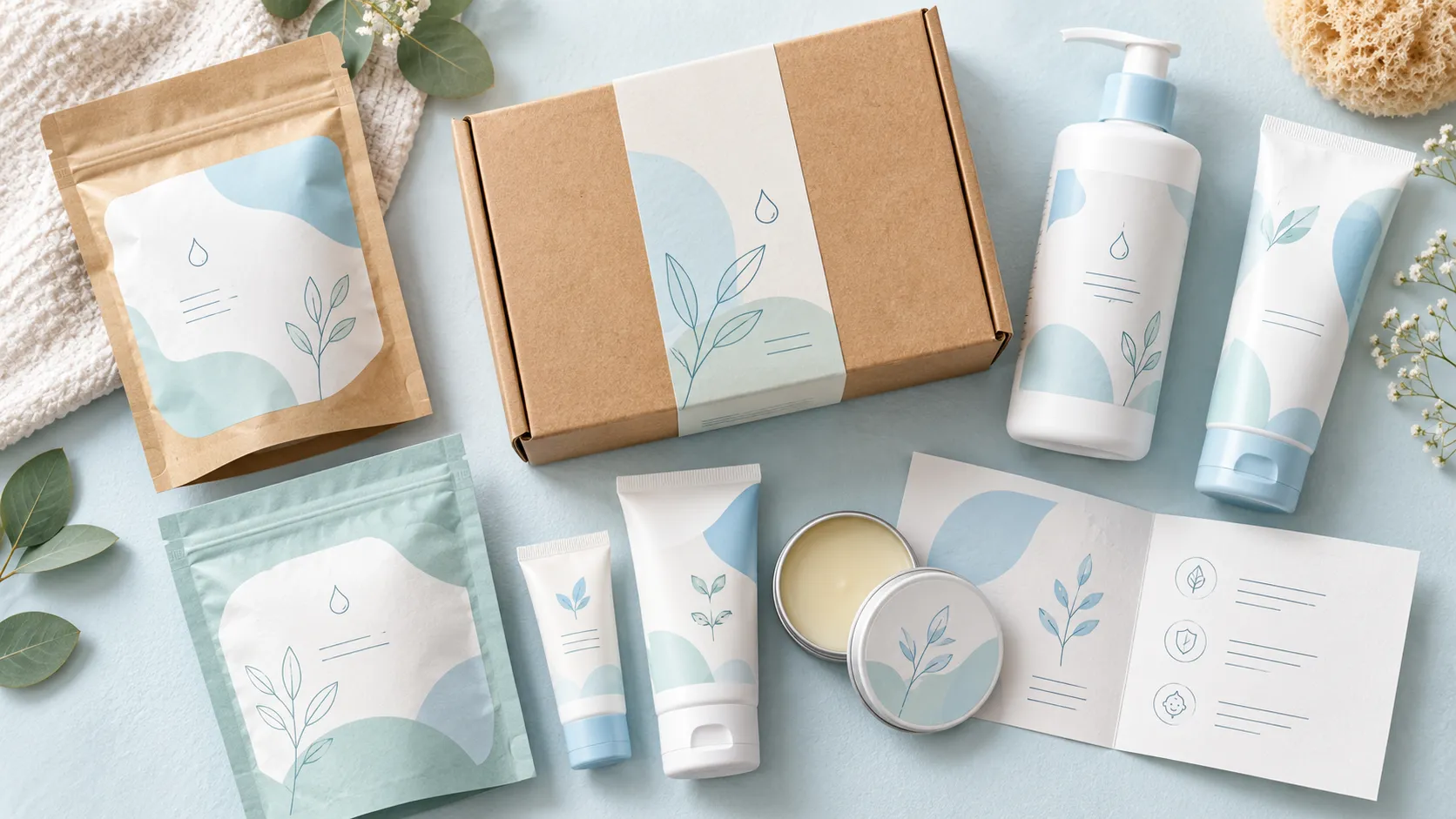
When developing skincare lines for sensitive or hypoallergenic skin, brands often focus on evaluating formulas, containers, and labels; however, the materials, printing, and transport protection of the outer box must also be part of the packaging strategy. When sourcing custom paper packaging for sensitive skin products, the priority is not merely labeling the box as “hypoallergenic” oppure “food-grade,” but ensuring the entire packaging system aligns with the product, storage and transport conditions, and the target market.
Paper boxes are classified as secondary packaging and do not come into direct contact with the skincare formula; nevertheless, the interactions between paper, inks, coatings, adhesives, inserts, and the container itself should still be evaluated within the context of the actual packaging assembly.
The following five recommendations offer guidance to brands and procurement professionals prior to placing an order.
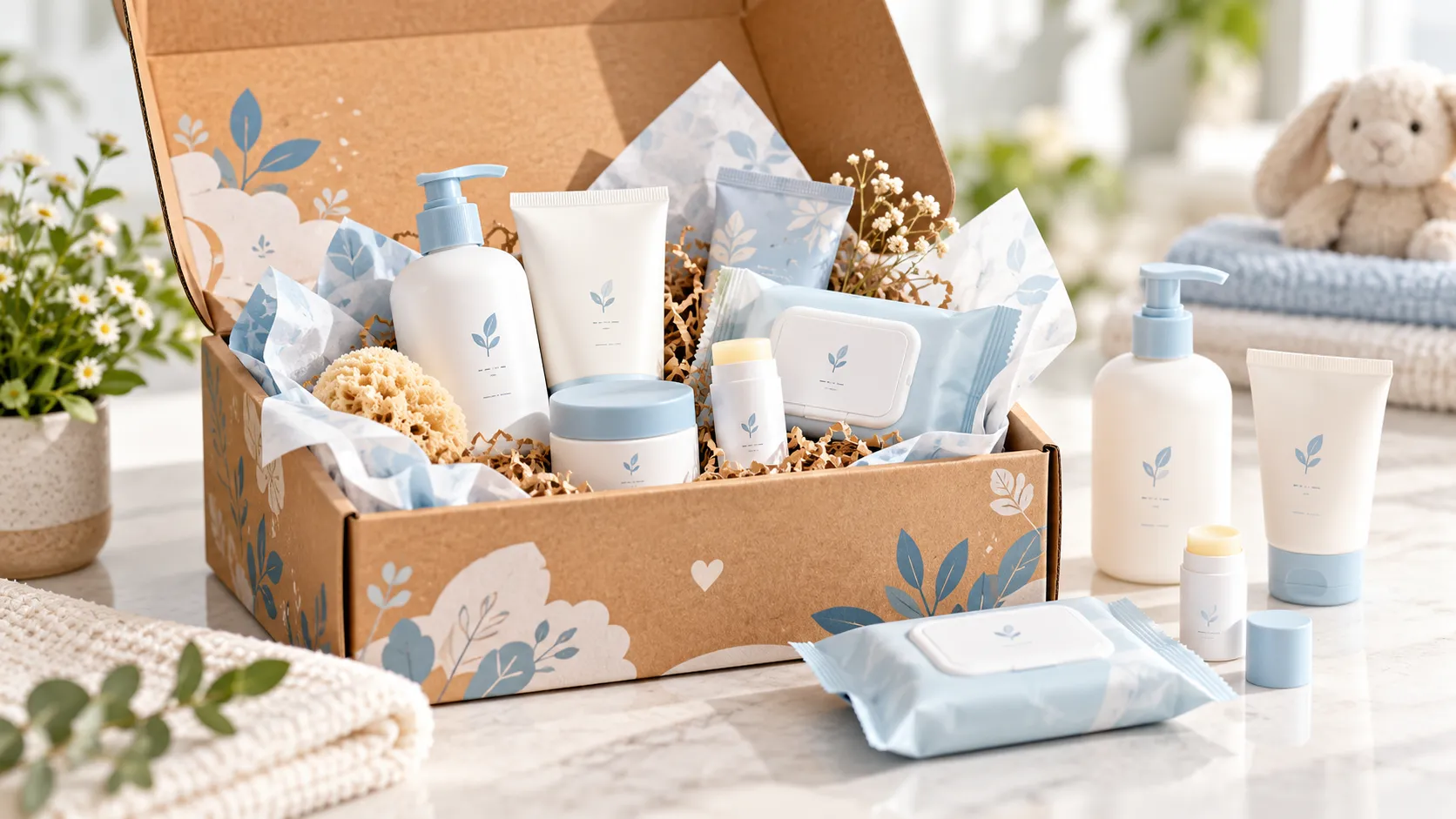
Distinguish between packaging that directly contacts the product and the outer paper box. Glass bottles, plastic bottles, tubes, and pump bottles typically serve to contain and seal the formula, whereas paper boxes primarily provide display, light shielding, scratch resistance, and transport protection. If paper materials will touch the bottle opening, pump head, or product itself—or if the packaging structure places printed surfaces in prolonged contact with the container—this contact path must be disclosed to suppliers and product safety assessors to prevent safety issues.
The EU Cosmetics Regulation mandates safety assessments for cosmetic products, and the associated safety reports take packaging material characteristics into account. A practical approach for brands is to provide comprehensive information on the container-and-box combination and evaluate it based on specific materials and usage conditions; not all secondary paper boxes are required to meet food-contact packaging standards. (EU Cosmetics Regulation 1223/2009)
Custom paper boxes involve more than just paperboard. Printing inks, varnishes, laminates, hot-foil stamping, adhesives, and internal inserts can all affect the packaging’s odor, surface abrasion resistance, and interaction with the bottle. When requesting a quote, ask suppliers to specify the actual materials and processes used, and to provide material declarations, technical data sheets, and relevant test reports applicable to the project.
If the project requires assessment regarding migration, specific substances, heavy metals, or volatile organic compounds (VOCs), first determine the testing parameters, methods, and acceptance criteria based on contact pathways, target markets, and product requirements. Do not assume that a single testing checklist applies to all cartons, nor rely solely on vague claims like “eco-friendly ink” or “REACH compliant.” Obligations under REACH depend on factors such as the specific substances, product form, and role in the supply chain; request supplier declarations and relevant documentation specific to the actual materials used. (ECHA: Candidate List substances in articles under REACH)
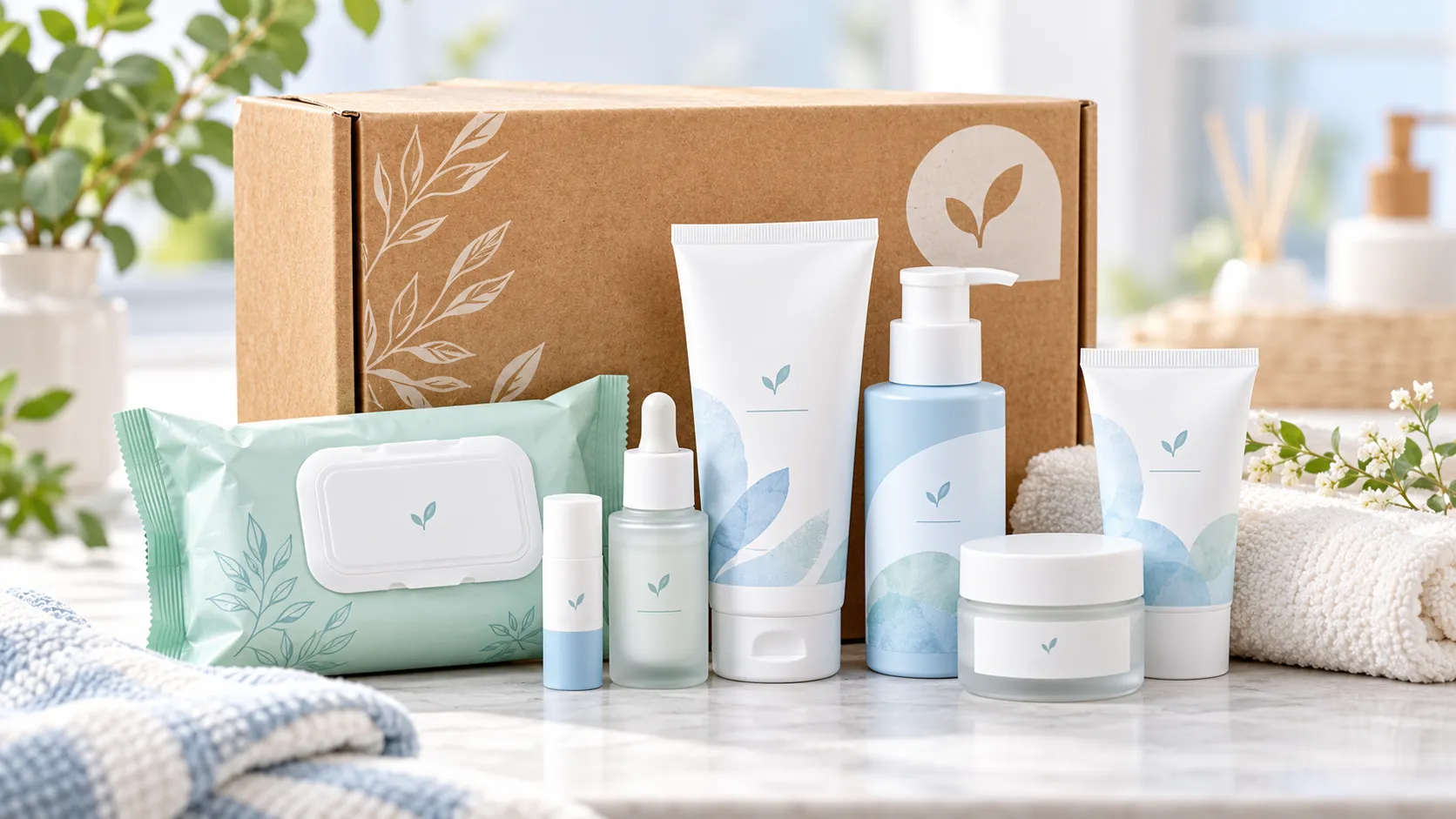
A carton’s ability to protect the product depends on the box style, paperboard thickness, internal inserts, bottle weight, and shipping method. During prototyping, check for bottle movement or collision, structural integrity (e.g., whether folded edges collapse easily), surface scuffing, and whether inserts shed particles. For projects involving sea freight or long-term storage, assess temperature, humidity, and stacking conditions based on the actual logistics route.
If the formula is sensitive to light or moisture, clarify whether the primary protection is provided by the bottle, the seal, or the outer packaging. Standard cartons cannot be assumed to provide an airtight or moisture-proof seal; if lamination, barrier layers, or other special structures are required, clearly define their intended function and verify performance through project-specific samples and transport testing.
Labeling requirements vary by market and product category; brands should provide final copy, sales regions, and language versions before finalizing the die-cut design. Article 19 of the EU Cosmetics Regulation covers information such as the Responsible Person’s details, net content, date of minimum durability or period-after-opening (PAO), precautions for use, batch number, product function, and ingredient list; specific applicability and exceptions must be verified by the brand’s regulatory team. (EU Cosmetics Regulation 1223/2009)
Cosmetics sold in the US also have labeling requirements, which may involve product identity, net content, ingredients, and information on the responsible company; if an outer carton is used, placement and readability of information must be checked against FDA labeling rules. Do not treat allergen warnings or product claims—such as “suitable for sensitive skin”—as generic packaging copy; such text should be reviewed by the brand based on product specifications and target market requirements. (FDA Summary of Cosmetics Labeling Requirements)
The EU Packaging and Packaging Waste Regulation (PPWR) has been applicable since August 12, 2026. Requirements for harmonized packaging material labels—designed to assist consumers with sorting—apply according to the regulatory timeline starting from August 12, 2028, or 24 months after the relevant implementing act enters into force, whichever is later. For export products, labeling content and timelines must be confirmed based on the target market and the latest implementing rules; do not mistake voluntary recycling icons for mandatory harmonized labels. (European Commission: PPWR application and phased implementation、PPWR Article 12)
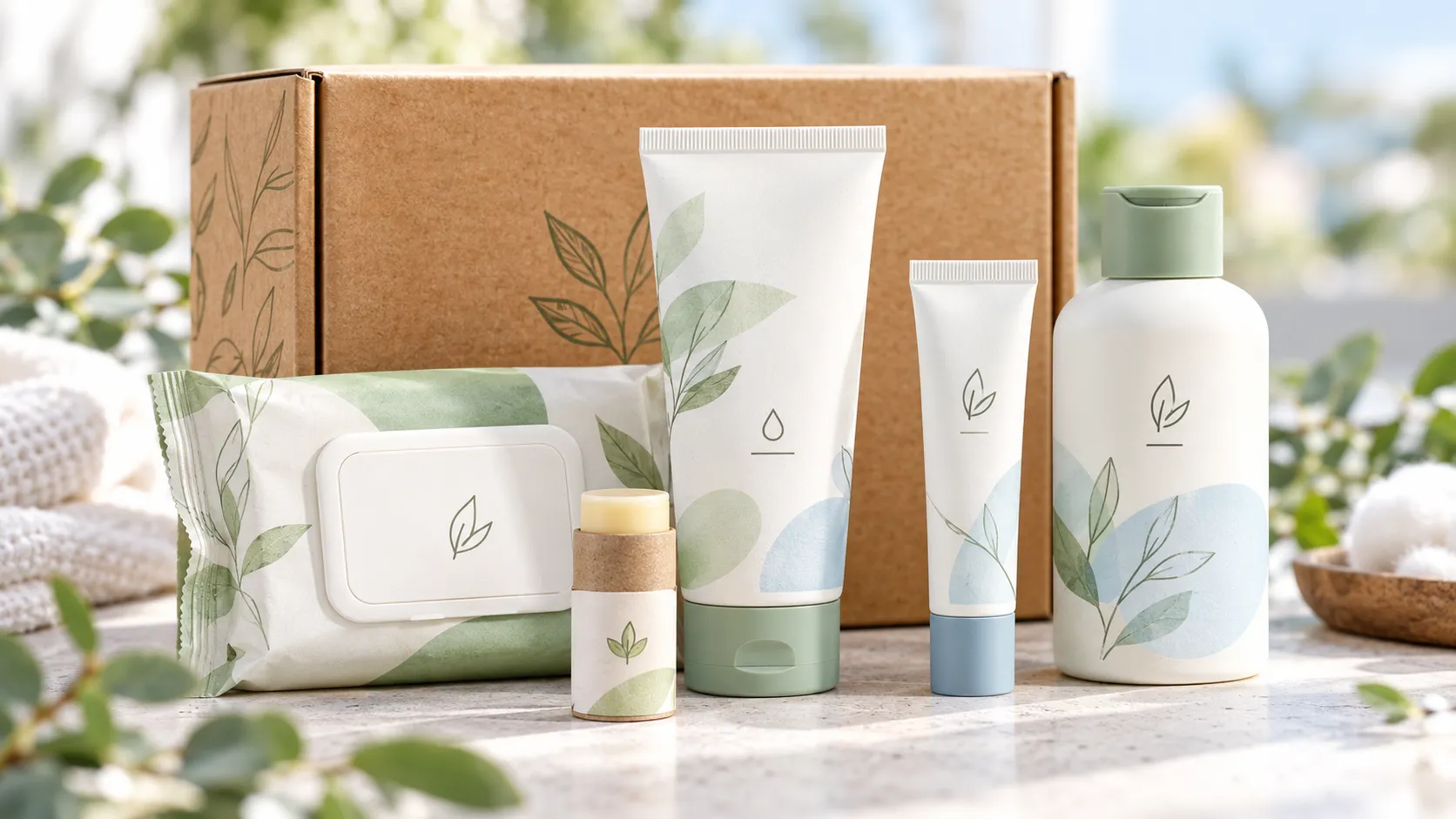
Hot stamping, spot UV, lamination, embossing, and special coatings can enhance shelf appeal, but the final result and material compatibility depend on the specific combination of processes. Suppliers should specify the paper, inks, coatings, adhesives, and decorative materials during the quotation or prototyping stage, and confirm that batch numbers, ingredient lists, and fine-print text remain clearly legible on the finished product.
Upon receiving samples, inspect for issues such as odor, powdering, scratching, color transfer, blocking (sticking), cracking at fold lines, and the fit of internal inserts. If risk assessments regarding product contact or regulatory compliance necessitate further testing, clarify the sample version, testing scope, and pass criteria prior to mass production.
1. Prepare the following information when requesting quotes from carton suppliers:
2. Bottle dimensions, weight, material, and closure type
3. Carton type, estimated quantity, target market, and language versions
4. Requirements for inserts, gift sets, or special shipping protection
5. Preferred paper stock, printing methods, and surface finishes
6. Required material declarations, test documentation, and sample specifications
When discussing carton projects for sensitive-skin products with Crown Win Packaging, start by providing bottle dimensions, target markets, estimated quantities, and design direction; then, discuss paper stock, box style, inserts, and printing processes specific to the project. Material documentation, samples, minimum order quantities (MOQs), and lead times should be confirmed item-by-item based on the actual structural design and order requirements. If you are planning packaging for sun care products, you may also want to consult our guide: Packaging Ideas for Sunscreen and SPF Beauty Products.
Send your product container specifications and target market details to Crown Win Packaging to receive structural recommendations and price quotes for custom paper boxes designed for sensitive skin products. Please confirm specific details regarding material requirements, testing scopes, MOQs, and lead times based on your project.